

Summary: A greenhouse mesocosm study found that wastewater residuals can promote the persistence and spread of antibiotic resistance genes (ARGs) through soil, water, plants, and earthworms, highlighting wastewater reuse in the dissemination of antimicrobial resistance in the environment.
Source links: Environmental Toxicology & Chemistry
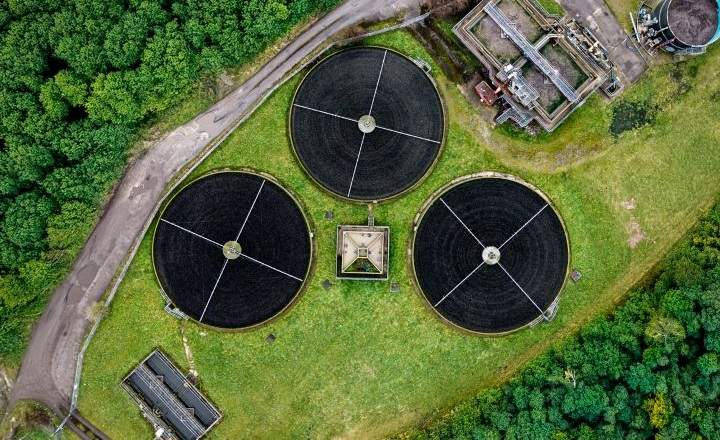
Can Wastewater and Biosolids Spread ARGs?
(Image Credit: iStock/Teamjackson)
Why This Matters:
- Wastewater treatment plants are increasingly recognized as environmental reservoirs and dissemination hubs for antimicrobial resistance genes (ARGs) and mobile genetic elements.
- Land application of biosolids and reclaimed wastewater irrigation are expanding globally as sustainable waste-management and water-conservation strategies.
- Unlike conventional chemical pollutants, ARGs are biologically dynamic entities capable of replication, persistence, and horizontal transfer between microbial communities.
- Environmental dissemination of ARGs through soil ecosystems and food webs may contribute to a broader burden of antimicrobial resistance (AMR) affecting human, animal, and environmental health.
Key Findings:
Sidhu and Slater used a 60-day greenhouse mesocosm model to evaluate the dissemination of multiple antimicrobial resistance genes (ARGs) as well as the class 1 integron-integrase marker (intI1), a key mediator of resistance gene capture and horizontal transfer, following soil treatment with biosolids (sewage sludge) or effluent-treated wastewater. Assessments were performed across wastewater residuals, soil, crops (pea, radish, and lettuce), earthworms, and leachate before and after soil treatment.1
- Matrix-specific dissemination patterns: Biosolids carried the highest absolute loads of antibiotics and ARGs, whereas effluent contained lower concentrations but exhibited greater dispersal potential. Soil served primarily as a “receiver matrix.”
- ARG-specific dissemination patterns: Distinct ARGs behaved differently depending on the wastewater residual matrix.
- qnrS (quinolone/fluoroquinolone resistance) preferentially leached from effluent-treated systems.
- sul1 and sul2 (sulfonamide resistance genes) demonstrated greater dissemination from biosolid-amended soils, highlighting gene-specific environmental behavior.
- Earthworms as ARG bioaccumulators: Earthworms accumulated substantially higher ARG burdens than soil, leachate, or plant materials, reaching concentrations of approximately 107–108 gene copies per gram dry weight, suggesting that earthworms may function as ecological reservoirs and vectors for ARG transfer.
- Evidence of environmental mobility: ARGs were detected not only in soil samples but also in leachate and biological compartments, supporting the concept that wastewater facilitates environmental dissemination through interconnected pathways.
- Limited but detectable plant uptake: Plants generally demonstrated low ARG bioaccumulation; however, ARGs were detected within edible pea pods, indicating potential pathways for entry into agricultural food systems.
Bigger Picture:
The study showed that the different resistance genes and the integron marker behaved differently depending on whether the contamination source was treated wastewater effluent or biosolids. This demonstrated that ARG dissemination is gene-specific and matrix-dependent rather than uniform. Broadly speaking, this study highlights that AMR is not solely a clinical issue but also an environmental one. Wastewater residuals can act as ecological reservoirs that promote persistence, amplification, and horizontal spread of ARGs through soil ecosystems and food webs. The findings challenge traditional wastewater risk assessments focused soley on chemicals or pathogens and support the need for environmental ARG surveillance and One Health-based AMR mitigation strategies.
References:
- Sidhu and Slater. 2026. Beyond the Chemical Load: Wastewater Residuals as Drivers of Antibiotic Resistance Proliferation and Dissemination into Soil, Water, and Food Webs. Environmental Toxicology & Chemistry.