Let's get in touch
Still have questions? Let us know how we can help and we will get back to you shortly!
By filling out this information, you are adhering to our privacy policy.

Wines made from smoke-exposed grapes can present undesirable sensory attributes identified as ashy or smoke-exposed with reduced palatability and market acceptance. We provide volatile phenol testing services that can identify and diagnose smoke-exposed grapes.
Turnaround time: 3 – 5 days
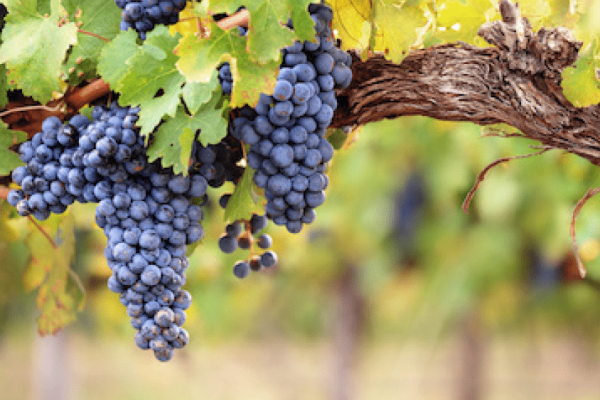
As wine regions around the world face the immediate effects of devastating fires, the threat of smoke exposure is of concern. Wildfires and controlled burns generate smoke particulates that could be taken up by the berries and leaves of grapes in nearby vineyards. While the chemical composition of smoke from wood pyrolysis is rather complex, free volatile phenols (VPs) are believed to be the major aroma compounds that confer the smoke exposure characteristics to grapes and wines. In the vineyard, these VPs can permeate the grape skins and rapidly bond with the sugars inside to form molecules called glycosides. Once the grapes are fermented, the acidity in the resulting wine will begin to break these bonds (even after bottling), rendering the phenols volatile and releasing their smoky flavor once again.
Wines made from smoke-exposed grapes can present undesirable sensory attributes identified as ashy or smoke-exposed with reduced palatability and market acceptance.
For returning customers, download the Sample Submission Form and send it back to us.
Still have questions? Let us know how we can help and we will get back to you shortly!
By filling out this information, you are adhering to our privacy policy.

Your submission has been sent.
We use cookies to enhance your browsing experience, serve personalized ads or content, and analyze our traffic.
By clicking “Accept & Close”, you consent to our use of cookies.